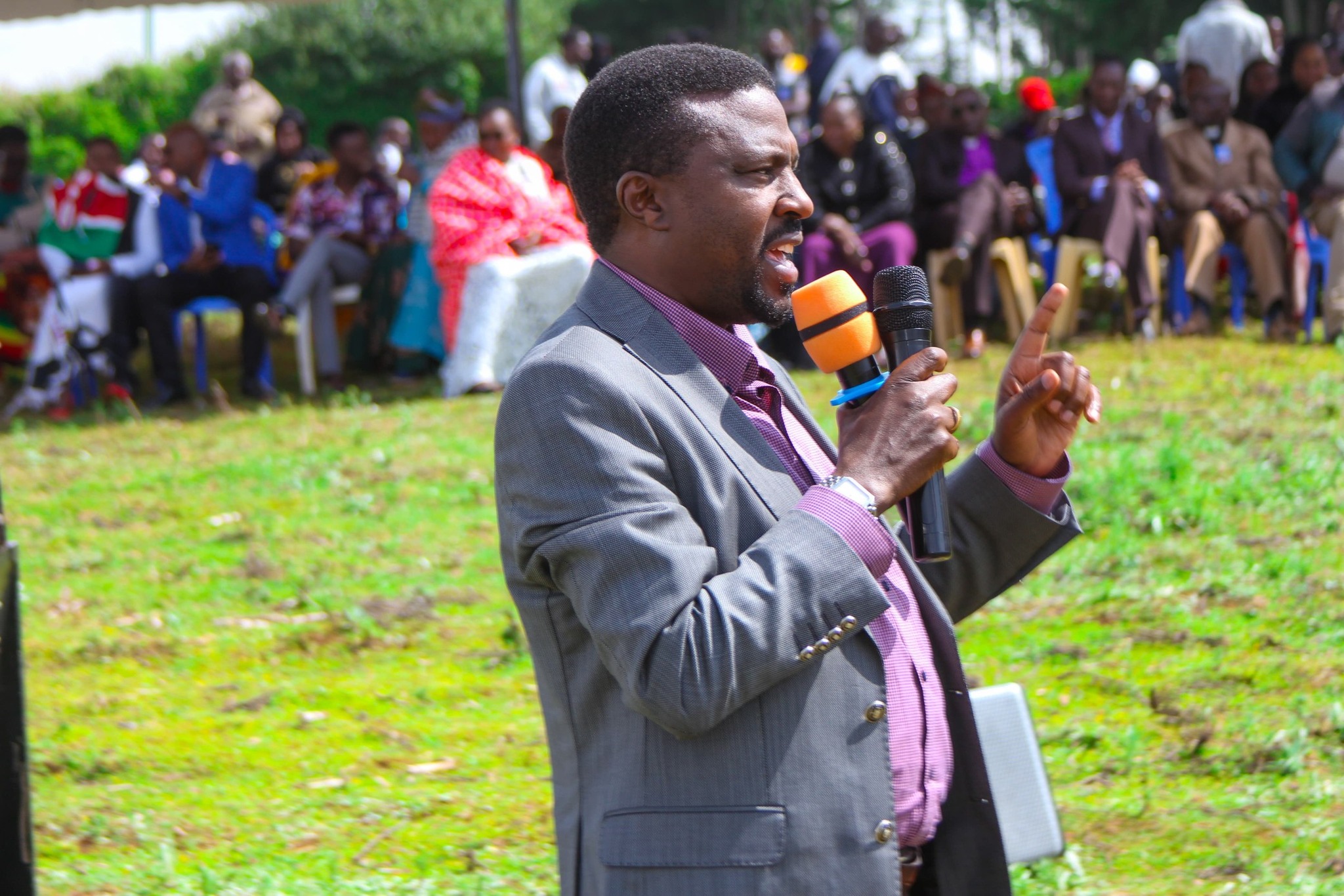
In a political climate often marked by division: ethnic, economic, and ideological—the language of leadership is undergoing a quiet but significant shift. Former Deputy President H.E. Rigathi Gachagua, EGH, has recently captured national attention through an unconventional rhetorical strategy: addressing citizens as “cousins, brothers, sisters, and in-laws” in his public forums.
This use of familial metaphors may seem simple on the surface, but it carries a powerful subtext. It reframes political identity around shared humanity rather than tribal loyalty offering a language of unity in a nation historically burdened by ethnic polarization. In choosing to speak in terms of kinship, Gachagua subtly disarms long-standing tensions, opening the door to more inclusive conversations about governance and nationhood.
But as many Kenyans know, words, however well-intentioned, must translate into action.
That’s where Nakuru’s gubernatorial frontrunner, Geoffrey Mwangi, steps in with substance. In Nakuru County, a mosaic of Kenya’s diverse cultures and communities, Mwangi mirrors Gachagua’s reconciliatory tone but grounds it in everyday action. His leadership model is not just about what is said from the podium, but what is done on the ground.
From town hall dialogues to faith-based gatherings and grassroots development forums, Mwangi is steadily building bridges of trust. He understands that true unity comes not from symbolic language alone, but from deliberate choices that prioritize inclusion, dignity, and shared opportunity.
“We must speak to each other not as rivals, but as Kenyans because the future of Kenya depends not on our differences, but on our shared destiny.” — Geoffrey Mwangi
As Kenya looks ahead to a more united future, leaders like Mwangi are showing that it is possible to lead with humility, govern with integrity, and still inspire hope. His inclusive leadership reflects a growing hunger among Kenyans not just for promises, but for presence; not just for slogans, but for service.
This is more than a shift in tone. It’s a shift in what leadership means.
Leave a Reply